
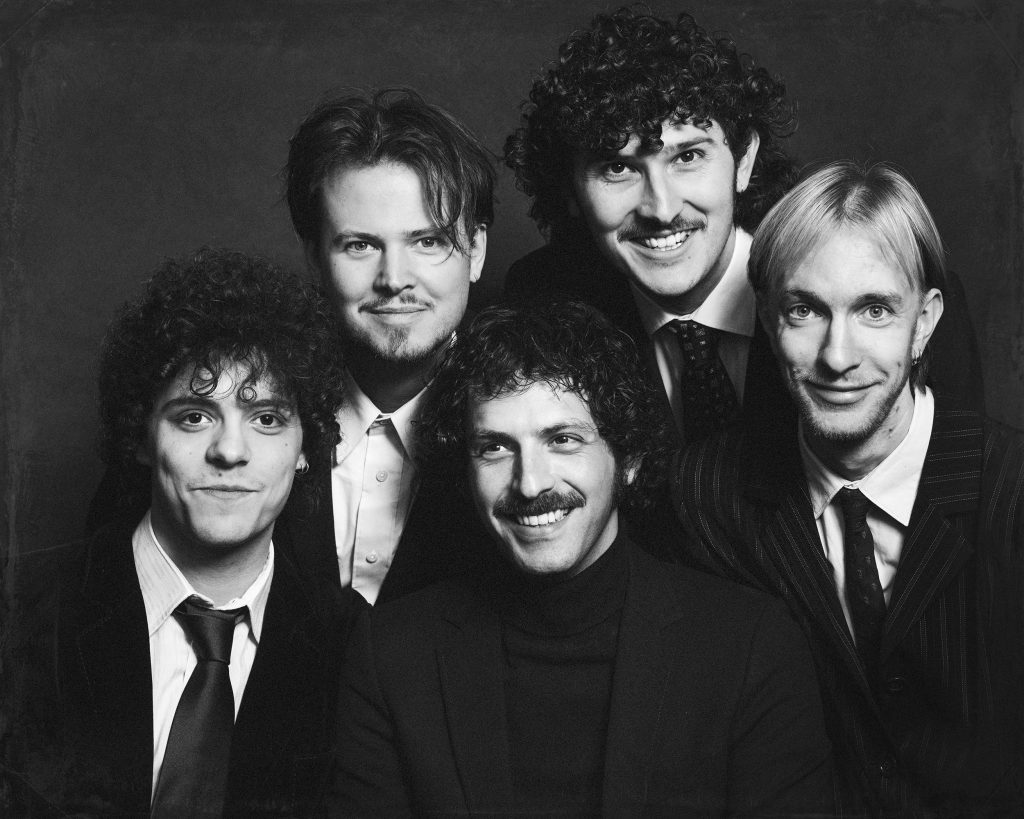
At the end of 2024, The Analogues – together with thousands of fans in the Ziggo Dome – said farewell to an extraordinary chapter. For ten years, Tne Analogues brought The Beatles’ studio years to life in a way that earned international acclaim. But that final show also revealed something else: a group of musicians with an average age of 62 was performing music written by young men in their mid-twenties.
The Young Analogues
Perhaps that realization was sparked by the opening act that evening: The Young Analogues. Four young musicians brought together as a one-off support act, playing the early Beatles catalogue – fresh, energetic, and surprisingly good. So good, in fact, that the audience asked: “Are they going to be your successors?”
That wasn’t the plan. But it quickly became clear that this “one-night experiment” had potential. The Young Analogues deserved a stage of their own.
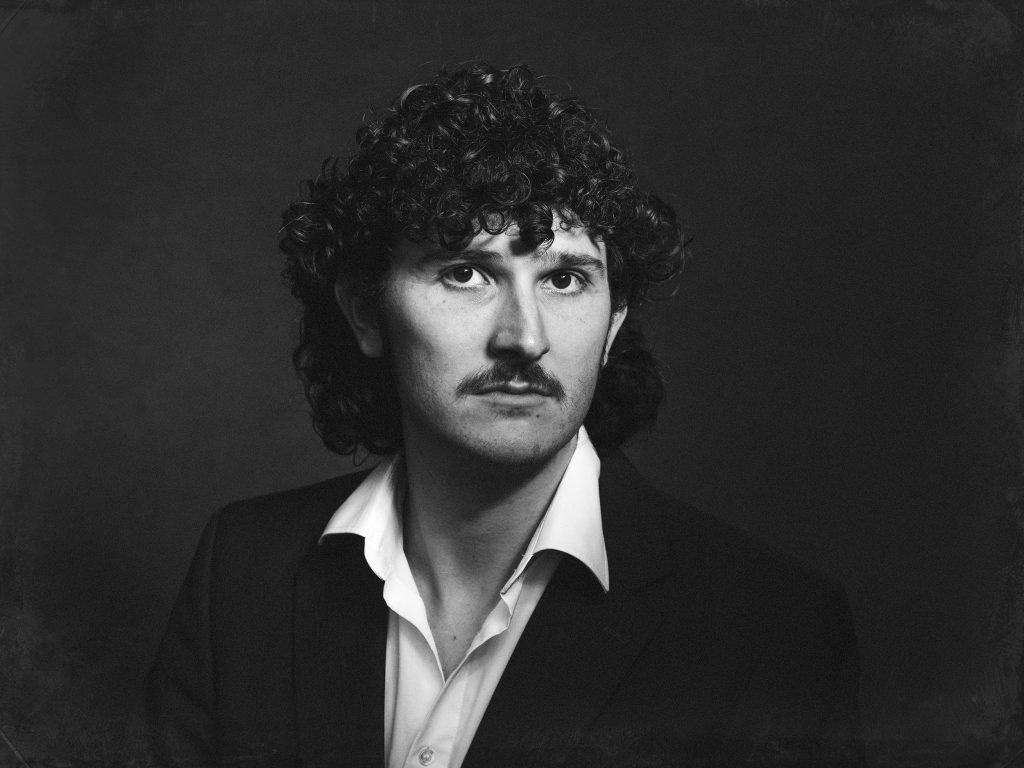
Bonno Getz
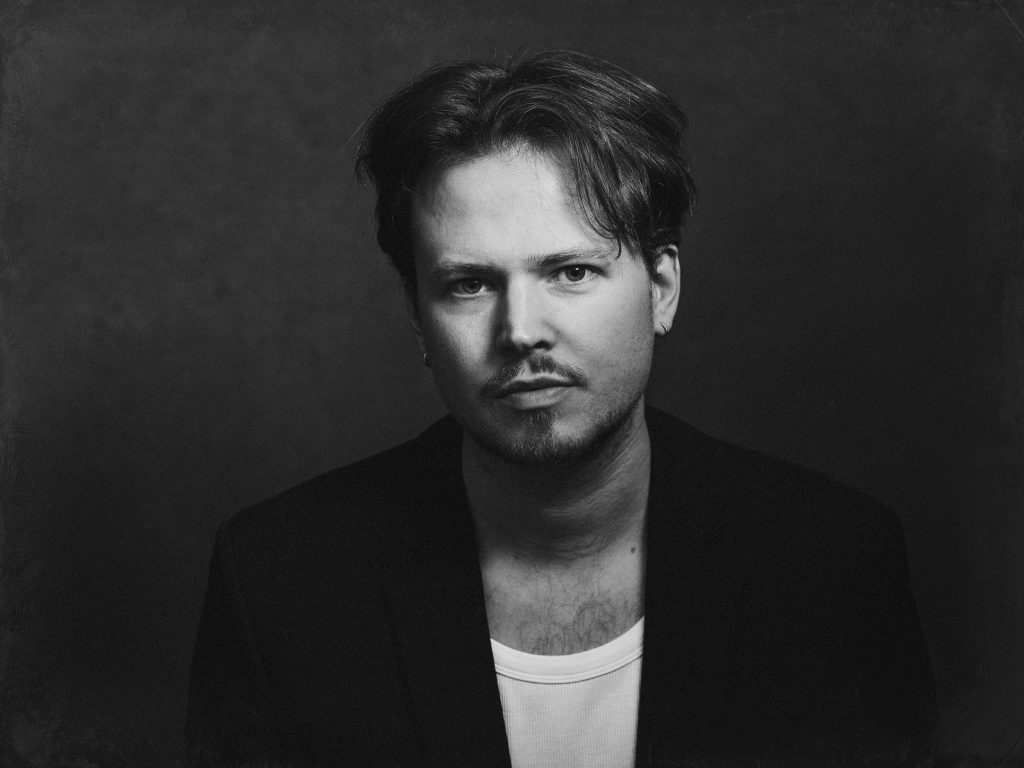
Oliver Pesch
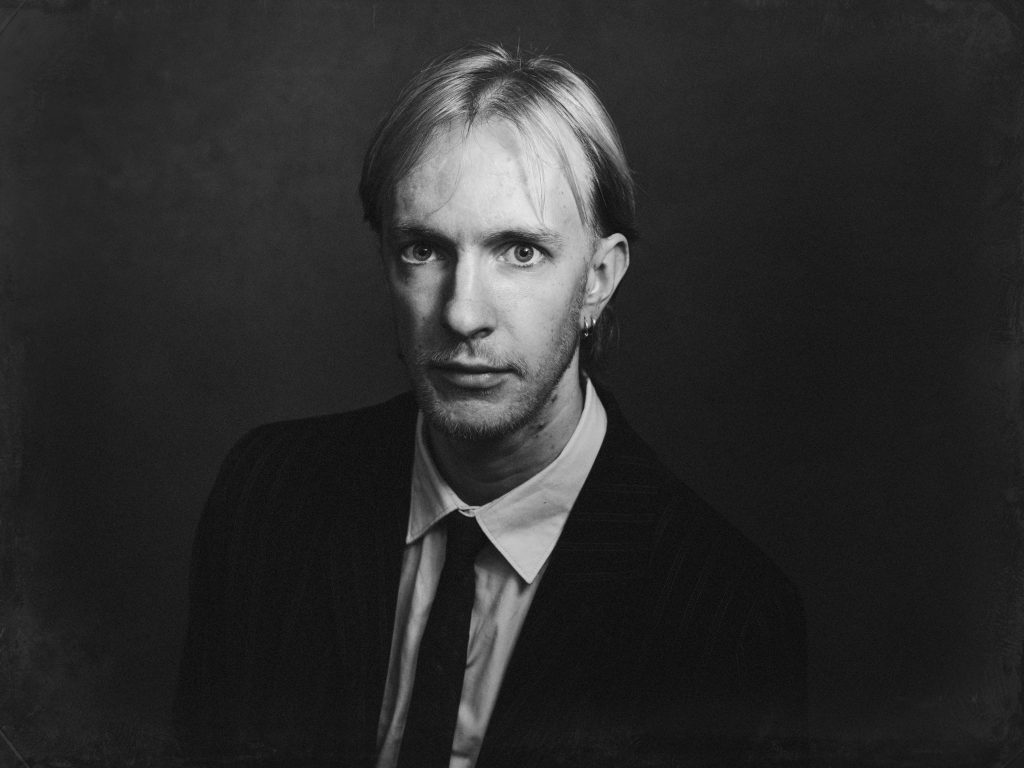
Max van Dijk
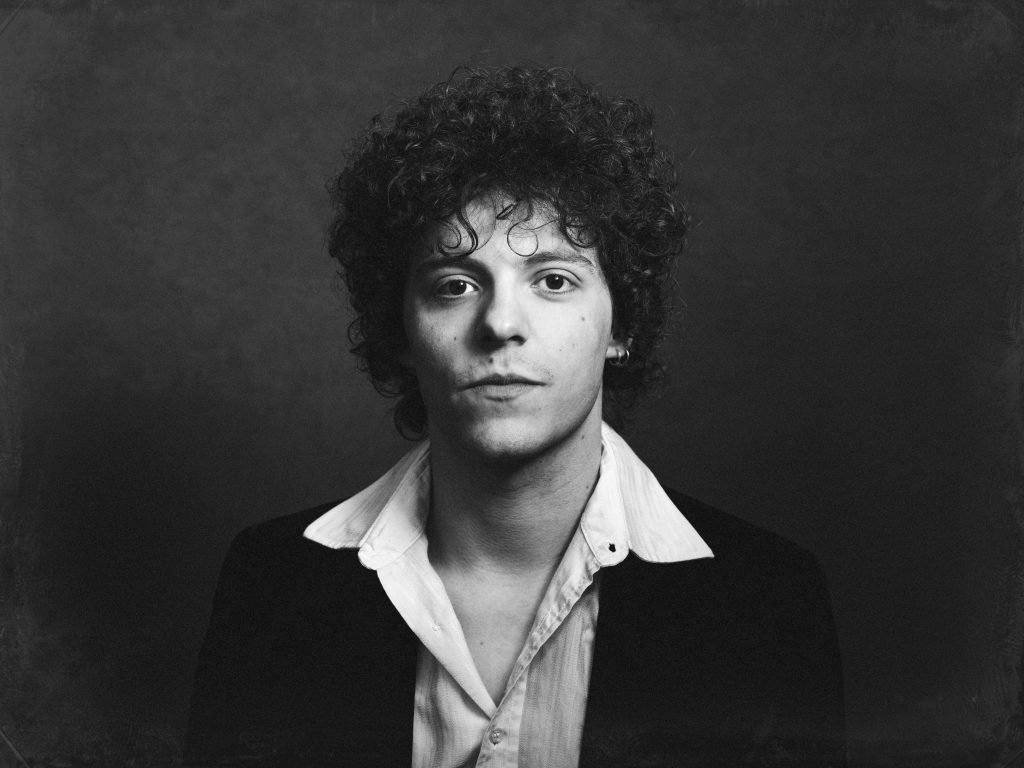
Yaniv de Jong
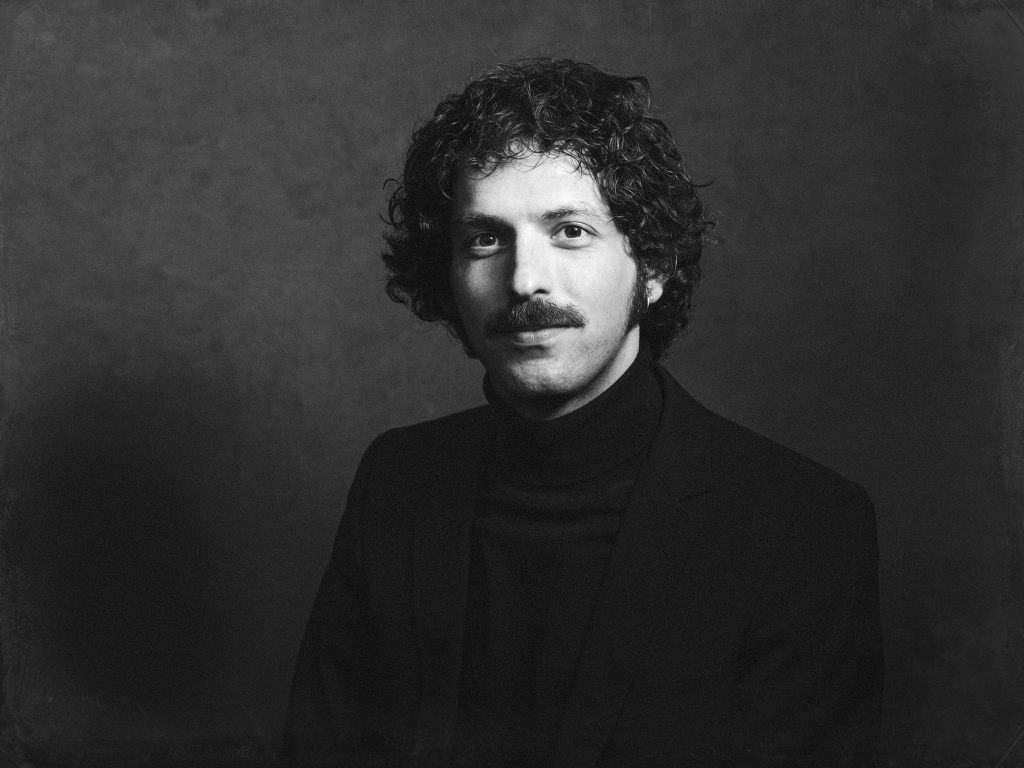
Jelle Weber
The Analogues Method
Guided by Analogues founders Bart van Poppel and Fred Gehring, Bonno, Oliver, Yaniv, Jelle and Max were given the chance to develop further according to the now well-known Analogues method: no costumes, wigs, or imitation — just total devotion to the authentic sound, played on the real analogue instruments of the era.
And where The Analogues devoted themselves to the studio years, The Young Analogues dive into the material before 1967 in this show.
The Beatles, 1962–1966
A night of music from this period may be less grand and orchestrated than the later work, but the audience is treated to a rapid-fire sequence of ten number-one hits (including She Loves You, I Want to Hold Your Hand, Can’t Buy Me Love, A Hard Day’s Night, Ticket to Ride, and Help!). Fresh, youthful, and explosive.
Songs from Rubber Soul also make an appearance — albums where you can already hear the first contours of the revolutionary musical innovators The Beatles would soon become.
A New Generation
The Analogues have set the bar high, and they now proudly present a new generation of Beatles interpreters. Because that was always the point: to keep this incredible music alive, in its most pure and authentic form.
Make sure you’re there.